Where Atins is
Atins is a village in the municipality of Barreirinhas, on the coast of Maranhão in north-eastern Brazil, where the Preguiças River flows into the Atlantic. It sits on the edge of Lençóis Maranhenses National Park — 156,000 hectares of the largest dune field in South America, inscribed as a UNESCO World Heritage Site in 2024. From here, the first dunes are minutes on foot; the great lagoons, an hour by 4x4.
There is no paved road in. You arrive by speedboat down the river or by 4x4 across the sand, and that distance is part of what makes Atins what it is: people who come, come to stay a while.
The pace of the village
The streets are sand. Traffic is quad bikes, 4x4s and people walking. There is no bank, and mobile signal comes and goes — bring some cash and use Pix when there is a network. In the afternoon the wind arrives from the sea and cools the village; after dark, the sky is the one people had before electricity.
Atins grew slowly, around fishing families, and it still runs at that speed. Restaurants open when they open; the boat leaves when the tide allows. Guests who accept this in the first few hours spend the rest of their stay at peace.
What to do in Atins
The Canto do Atins lagoons
The classic outing for anyone staying in the village. A 4x4 with a licensed driver crosses about forty minutes of sand to Canto do Atins, a small cluster of houses on the park boundary, and from there you walk to the lagoons between the dunes. Names change from guide to guide — Lagoa Tropical, da Ilha, do Gavião — and the lagoon of the day depends on water level and clarity. From June to September they are full; from October on, some remain.
The shrimp at Canto
Canto do Atins is home to the region's best-known shrimp restaurants — Luzia and Antônio have become landmarks of the route. Lunch there, feet in the sand and dunes behind, is an outing in itself.
The Preguiças River by boat
Upriver from Atins, three stops: Vassouras, with the Pequenos Lençóis dunes and capuchin monkeys; Mandacaru, where you climb the Preguiças lighthouse to see dunes, river and sea at once; and Caburé, a tongue of sand between river and ocean, directly across from Atins.
The Lençóis crossing
For those with legs and time: a two- or three-day walk through the park from Atins to Santo Amaro, sleeping in the oases of Queimada dos Britos and Baixa Grande — communities that live among the dunes. Licensed guide required; best from June to September.
Kitesurfing
From June to January the south-east trade wind blows at 15 to 25 knots almost every day. Atins beach is long and shallow; the river mouth is flat water. It is one of the best places in Brazil to ride — we have a whole page on it.
Sunset and sunrise
Late afternoon on Atins beach, the wind dropping and the light turning orange over the river, needs no itinerary. At Buriti, the rooftop was built for that hour. Sunrise on the dunes, with a guide, is the best reason to be up at five.
When to go
Atins is good all year, but each season gives you something different. From June to September the lagoons are full and the skies open — high season. From September to November the wind is strongest and the lagoons begin to drop: the best window for kitesurfing. November to February is dry, windy and empty. March to May is the rainy season, when the lagoons form again. See the month-by-month calendar.
Getting here
Fly to São Luís, drive about four hours to Barreirinhas, then one hour by speedboat down the Preguiças River or an hour and a half by 4x4 across the sand. Travellers on the Rota das Emoções, coming from Jericoacoara and the Parnaíba Delta, arrive on the Caburé side and cross the river by boat. The full step-by-step is here.
Where to stay in Atins
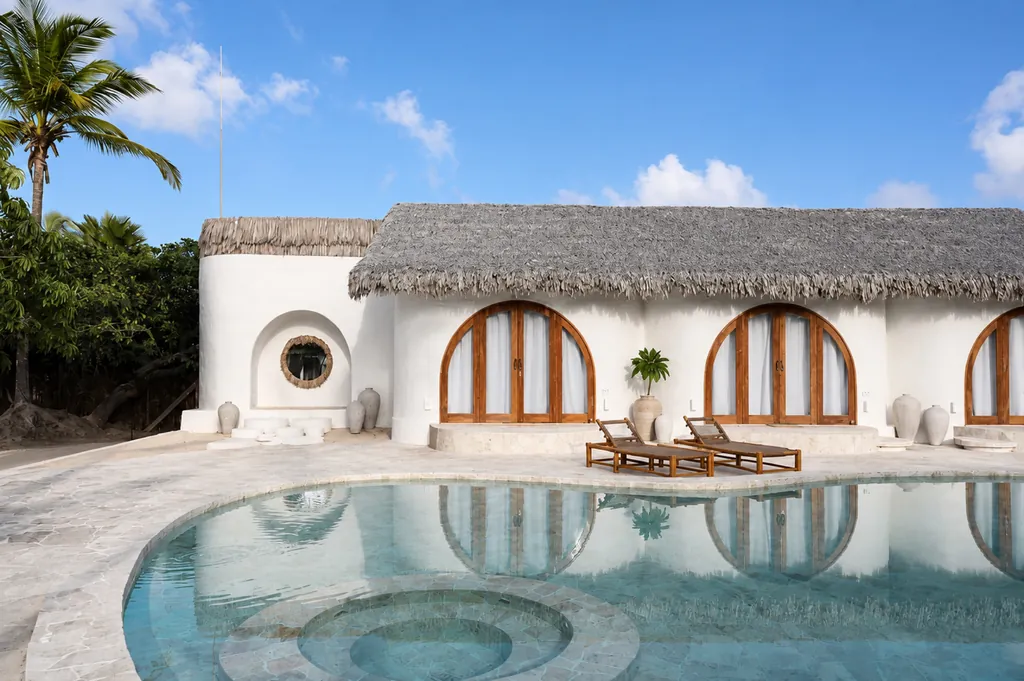
Pousada Buriti Atins is on Rua da Alegria, steps from the beach and the first dunes. Seven units across 2,000 m² of gardens: five bungalows around a stone pool (Comfort and Master) and two chalets with private pools. Regional breakfast included, served at your time. Book direct, no commission.